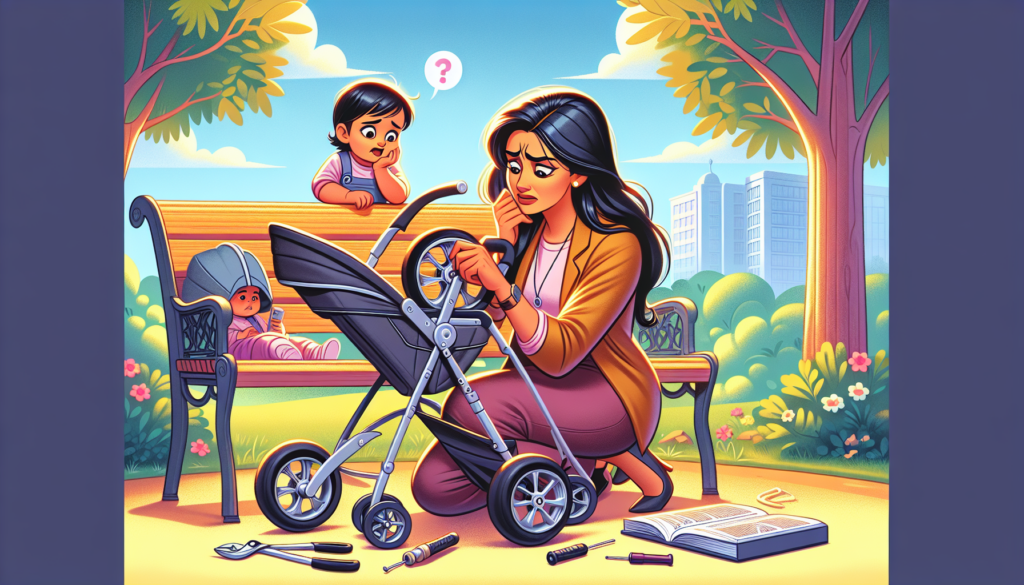
Hey there! Are you a parent or caregiver who has ever struggled with stroller problems? Well, worry no more because we are here to help! In this article, we will be diving into some of the most common stroller issues and providing you with the answers you need. From wobbly wheels to tricky folding mechanisms, we’ve got you covered. So grab a cup of tea, sit back, and let’s solve those stroller woes together!
Choosing the Right Stroller
When it comes to choosing the right stroller for you and your child, it’s important to first determine your needs. Consider factors such as the age and size of your child, the activities you plan to engage in while using the stroller, and any specific features or functionalities you’re looking for.
Once you have a clear idea of your needs, it’s time to consider your lifestyle. Are you an active parent who enjoys going for long walks or runs? Or do you need a stroller that is more compact and easy to navigate in urban environments? Understanding your lifestyle will help you narrow down the options and find a stroller that suits your daily activities.
Another important aspect to consider when choosing a stroller is the safety features it offers. Look for strollers that have a sturdy frame, a secure harness system, and effective braking mechanisms. It’s also worth checking for safety certifications or standards that the stroller meets, as this can provide peace of mind knowing that the stroller has been tested for safety.
Navigating Difficult Terrain
Once you have chosen a stroller that meets your needs and safety requirements, it’s important to know how to navigate difficult terrain. From handling uneven surfaces to coping with bumpy roads, these tips will help you navigate challenging environments with ease.
When faced with uneven surfaces such as gravel, grass, or cobblestones, it’s important to maintain a firm grip on the stroller handles and keep a steady pace. Take smaller steps and use your body weight to help stabilize the stroller as you navigate through the rough terrain. This will help prevent the stroller from tipping over or getting stuck.
Bumpy roads can be challenging for both you and your little one. To minimize the impact, consider using a stroller with suspension or air-filled tires, as these can provide a smoother ride even on rough surfaces. Additionally, try to choose a route that avoids the most uneven sections of the road when possible.
When encountering stairs or curbs, it’s essential to take extra caution. If possible, look for ramps or designated elevators to help you navigate these obstacles safely. If you need to go up or down stairs, it’s recommended to use a lightweight stroller that is easy to fold and carry, or consider using a stroller with a reversible handle that allows you to change the direction of the wheels and navigate the stairs more easily.

Maintaining and Cleaning Your Stroller
To ensure the longevity and functionality of your stroller, regular maintenance and cleaning are crucial. By following these simple steps, you can keep your stroller in excellent condition and provide a clean and safe environment for your child.
Regularly cleaning and inspecting your stroller is important to prevent the build-up of dirt, dust, and debris. Start by removing any loose items such as blankets or toys from the stroller. Then, use a mild soap or baby-safe cleaner and a soft cloth or sponge to wipe down the frame, seat, and other surfaces of the stroller. Pay special attention to areas that come into direct contact with your child, such as the seat padding and harness.
Stain and spills are inevitable when using a stroller, especially when dealing with messy little eaters. To handle stains, start by blotting the area with a clean cloth or baby wipe to remove any excess moisture or food particles. Then, mix a solution of mild soap and water and gently scrub the stained area with a soft brush or cloth. Rinse the area with clean water and allow it to air dry before using the stroller again.
Maintaining the wheels and suspension of your stroller is crucial for optimal performance. Regularly check the tires for any signs of wear or punctures, and replace them if necessary. Keep the wheel bearings clean and lubricated, following the manufacturer’s guidelines. Ensure that the suspension system is properly adjusted and functioning smoothly, as this will help absorb shocks and provide a comfortable ride for your child.
Stroller Storage and Transportation
When it comes to storing and transporting your stroller, there are a few key considerations to keep in mind. From choosing the right storage option to securing your stroller in a vehicle, these tips will help you navigate this aspect of stroller ownership.
Choosing the right storage option for your stroller depends on your available space and needs. If you have limited space, consider collapsible strollers or strollers that can be easily folded and stored in a closet or under a bed. If you have a garage or dedicated storage area, you can opt for a stroller rack or wall-mounted storage solution. Whichever option you choose, make sure the stroller is stored in a clean and dry environment to prevent damage.
When traveling with your stroller, there are a few tips to ensure a smooth journey. Firstly, check with your airline or transportation provider regarding their stroller policies and guidelines. Some airlines allow strollers to be checked in for free, while others may require you to gate-check the stroller. If gate-checking, it’s recommended to use a stroller travel bag to protect your stroller from damage.
Securing your stroller in a vehicle is essential for both the safety of your child and the stroller itself. Always follow the manufacturer’s instructions for properly securing the stroller in your vehicle, using either seat belts or the appropriate car seat attachment system. Ensure that the stroller is stable and does not move or shift during transportation. If using a car seat adapter, double-check that it is securely attached to the stroller frame.

Storage and Organization
Maximizing stroller storage space and keeping essentials organized can make outings with your child more convenient and enjoyable. These tips will help you make the most of your stroller’s storage capacity and ensure easy access to essential items.
To maximize stroller storage space, consider using stroller organizers, which are designed to fit securely onto the handlebars or sides of the stroller. These organizers typically have multiple compartments and pockets, allowing you to store items such as diapers, wipes, bottles, and snacks within easy reach. Additionally, look for strollers with built-in storage baskets under the seat, as these can provide extra space for larger items such as diaper bags or shopping bags.
Organizing essentials for easy access can save you time and hassle while on the go. Consider using small pouches or ziplock bags to separate items such as pacifiers, toys, and snacks, making them easy to find when needed. Keep a dedicated spot for your keys, phone, and other personal items, either in a small pocket on the stroller or in a crossbody bag that you wear while using the stroller.
Utilizing stroller attachments and accessories can further enhance the storage and organization capabilities of your stroller. For example, a clip-on cup holder or bottle holder can provide a convenient place to store drinks for both you and your child. Some strollers also offer additional attachments, such as a parent console for holding phones or wallets, or a diaper bag attachment that securely hangs a diaper bag from the handlebars.
Comfort and Safety for Your Child
Ensuring your child’s comfort and safety while using a stroller is paramount. By following these guidelines, you can provide a pleasant and secure experience for your little one.
Proper seat padding and support are essential for your child’s comfort during stroller rides. Choose a stroller with adequate seat cushioning and adjustable recline positions to accommodate your child’s needs. Additionally, consider adding extra padding or a cushion for added comfort, especially for younger babies who may need additional support.
Adjusting the harness and straps correctly is crucial for keeping your child safely secured in the stroller. Ensure that the straps are snug but not too tight, and that the harness is properly attached to the stroller frame. Regularly check the straps for signs of wear or fraying, and replace them if necessary.
Protecting your child from the elements is important, especially during inclement weather. Look for strollers that offer a canopy or sunshade to shield your child from harmful UV rays. Additionally, consider using a rain cover or weather shield to keep your child dry during rainy or windy conditions. If it’s particularly cold outside, dress your child warmly and consider using a stroller footmuff or blanket for added insulation.

Dealing with Breaks and Malfunctions
While strollers are designed to be durable and reliable, issues and malfunctions can sometimes occur. By familiarizing yourself with common stroller problems and following these troubleshooting tips, you can quickly address and resolve any issues that may arise.
Identifying common stroller issues is the first step in solving them. Some common problems include sticky or ineffective brakes, squeaky wheels, and suspension malfunctions. By being observant and attentive, you can catch these issues early on and take appropriate action.
If you encounter brake problems, such as brakes that don’t engage or brakes that are too loose, start by checking for any debris or obstructions that may be interfering with the brake mechanism. Clean the area around the brakes and ensure that they are properly aligned. If the problem persists, consult the stroller’s instruction manual or contact the manufacturer for further assistance.
Handling wheel and suspension malfunctions requires a similar approach. Check for any visible signs of damage or wear on the wheels, such as flat tires or loose parts. Ensure that the suspension system is properly lubricated and adjusted according to the manufacturer’s guidelines. If you notice any significant issues or if the malfunctions continue, contact the manufacturer for professional advice or repair options.
Customization and Personalization
Customizing and personalizing your stroller can add a touch of individuality and make it truly yours. Consider these tips to add your personal flair to your stroller.
Choosing stroller accessories is a fun way to customize your stroller and enhance its functionality. From cup holders and snack trays to toy attachments and smartphone holders, the options are endless. Think about your daily needs and activities, and choose accessories that will make your stroller experience more convenient and enjoyable.
Adjusting handles and seating positions can also customize the stroller to fit your comfort and needs. Some strollers offer adjustable handlebars that can be raised or lowered to accommodate different heights. Additionally, look for strollers with multiple seating positions, such as forward-facing, rear-facing, or reclining options, allowing you to adapt the stroller to your child’s preferences.
Adding personal touches to your stroller can be as simple as attaching decorative stickers or decals, or as elaborate as customizing the fabric or color scheme. Consider your favorite colors, patterns, or themes and find ways to incorporate them into your stroller. Just be mindful of any manufacturer guidelines regarding modifications or alterations that could void the stroller’s warranty.
Stroller Safety Guidelines
Following safety guidelines is crucial to ensure the well-being of your child during stroller use. By understanding and following these guidelines, you can create a safe environment for your little one.
Always follow the manufacturer’s instructions when it comes to assembling and using your stroller. Different strollers may have specific guidelines and weight limits that need to be adhered to. Take the time to thoroughly read the instruction manual and familiarize yourself with the recommended usage guidelines.
Using strollers in the correct age range is important to ensure that your child is developmentally ready for the stroller. Some strollers are designed for newborns, while others are suitable for older infants or toddlers. Pay attention to the manufacturer’s age recommendations and make sure that your child meets the specified criteria before using the stroller.
Avoiding potential hazards is crucial for keeping your child safe during stroller use. Always buckle your child securely into the stroller’s harness system, and never leave them unattended. Be cautious when folding or unfolding the stroller to avoid pinching fingers or other body parts. Additionally, avoid hanging heavy bags or other items from the stroller handles, as this can cause the stroller to tip over.
Maintaining Stroller Durability
To ensure that your stroller remains durable and functional for years to come, it’s important to take proactive measures to protect it. By following these guidelines, you can extend the lifespan of your stroller and prevent premature wear and tear.
Avoiding excessive weight limit is crucial to prevent strain on the stroller’s frame and components. Pay attention to the weight limit specified by the manufacturer and make sure not to exceed it. Overloading the stroller can lead to structural damage and compromises the safety of your child.
Protecting strollers from weather and outdoor elements is essential to prevent damage or deterioration. When not in use, store the stroller in a clean and dry area, away from direct sunlight or extreme temperatures. If you regularly use the stroller in inclement weather, consider investing in a weather shield or rain cover to protect it from rain, snow, and wind.
Regularly inspecting for wear and tear is crucial for identifying potential issues and taking prompt action. Check the frame, wheels, and other components for any signs of damage, such as cracks, loose parts, or frayed straps. Regularly lubricate moving parts, such as wheels or hinges, as recommended by the manufacturer. By addressing any wear and tear early on, you can prevent further damage and ensure the longevity of your stroller.